
The Future of Experiential Marketing in 2026: Trends That Will Shape Brand Engagement
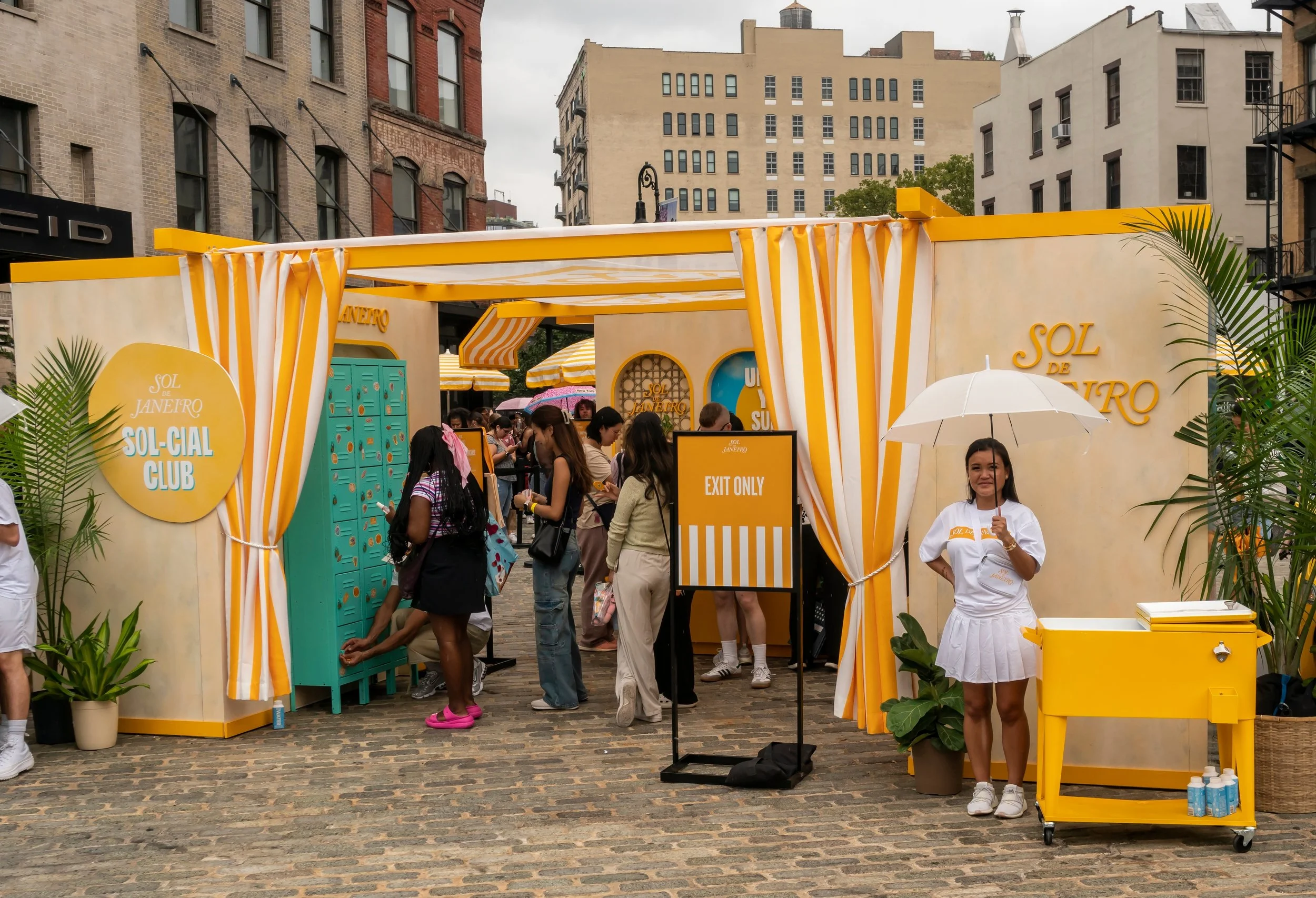
Experiential marketing is entering a groundbreaking era, one defined by deeper personalization, luxury-driven touchpoints, and the increasing expectation that brands deliver moments worth remembering. As consumer behavior shifts and technology accelerates at lightning speed, brands in 2026 will no longer win by simply showing up, they’ll win by creating experiences that feel meaningful, human, and culturally aligned.
At Ashley Avery Agency, we see firsthand how brands are reimagining how they show up in the world. Here are the top trends poised to shape brand engagement in 2026.
1. The Rise of Ultra-Curated Micro-Experiences
In 2026, brands are moving away from one-size-fits-all activations and embracing highly curated, intimate moments that feel exclusive even if they scale.
Think:
Elevated in-venue tastings with luxury elements (caviar pairings, bespoke cocktails, personalized touches)
Small-format VIP consumer engagements
Samplings designed to feel organic, discreet, and “insider-only”
Consumers don’t just want to try a product, they want to feel chosen.
This shift is already underway, especially in the premium beverage space, and it’s only growing stronger.
2. Talent-Led Storytelling Will Become Essential
In 2026, brand ambassadors aren’t simply event staff, they are the storytellers, culture translators, and trust builders.
Brands will invest in:
Talent with personality, professionalism, and cultural fluency
Ambassadors who understand brand voice thoroughly
Micro-influencers integrated directly into experiential campaigns
Models who embody aspirational yet approachable energy
Training will become more refined, and brands will prioritize emotional intelligence as much as physical presence.
Experiential success will be driven by the people who deliver the message making staffing agencies with rigorous talent curation (like AAA) even more vital.
3. “Covert” and Organic Sampling Will Surge
Traditional sampling is evolving into stealth, seamless, and natural-feeling brand interactions, especially within nightlife, fine dining, and luxury hospitality.
Consumers are increasingly resistant to “push marketing.”
Instead, they respond to:
The friend-to-friend recommendation style
Organic introductions by trusted hosts
Samples delivered subtly rather than with fanfare
Staff who know how to blend into the environment
Brands in 2026 will adopt a “no stage, no script—just connection” philosophy.
4. Hyper-Localized Activations in Key Cultural Hubs
Rather than broad national campaigns, brands will anchor their efforts in micro-markets with outsized cultural influence, including:
New York
Miami
Los Angeles
Austin
Chicago
Atlanta
International hotspots like Paris, London, Dubai, and Ibiza
This allows brands to tailor experiences to:
Neighborhood culture
Local social patterns
Venue-specific vibes
Regional consumer preferences
The result? Higher ROI and more authentic engagement.
5. Luxury Touchpoints Will Define Even Everyday Brands
Consumers expect elevated experiences—even from mass brands.
In 2026 expect to see:
Signature scents and sensory branding
Custom-designed uniforms and premium accessories
Bespoke serveware
Mini moments of indulgence (champagne, chocolate, curated pairings)
Architectural-quality pop-ups
The message is clear: luxury is no longer a category, it’s a standard.
6. Data-Infused Experiential, Without Losing the Human Element
Technology will become smarter and more integrated, but the best brand experiences will feel deeply human.
Expect brands to leverage:
Passive data capture
Heat mapping and dwell-time analytics
Post-event sentiment tracking
Audience segmentation tied to real-time behavior
But the delivery, the brand ambassadors, the energy, the conversation—remains the heartbeat.
In 2026, tech will enhance, not replace, human connection.
7. Story-First Pop-Ups and Installations
Consumers want to step inside a brand, not be sold one.
In 2026:
Pop-ups will feel more like art installations
Set design will matter more than ever
Multi-sensory storytelling will dominate
Brands will partner with designers and architects to craft iconic visual worlds
These experiences become content, conversation starters, and cultural moments, ultimately driving lasting brand love.
8. Values-Driven Brand Engagement
Gen Z and Gen Alpha expect brands to stand for something.
This means experiential campaigns must align with:
Sustainability
Representation & inclusion
Community impact
Transparency in messaging
Consumers reward authenticity and can detect performative marketing instantly.
Brands in 2026 must walk the walk, not just talk it.
9. Seamless Integration Between Digital & In-Person Moments
Hybrid is here to stay. In 2026, every in-person activation will have a digital echo.
This includes:
QR-driven storytelling
Personalized follow-up journeys
UGC capture zones
Live-streamed moments
AI-assisted recaps and engagement sequences
It's not physical or digital—it’s one cohesive brand ecosystem.
10. Agencies Will Be Strategic Partners, Not Just Vendors
Brands are expecting more from their experiential partners—strategy, insight, cultural fluency, and executional excellence.
Agencies that offer:
Event staffing
Talent curation
Full-service experiential strategy
Production guidance
Luxury brand expertise
…will thrive.
Ashley Avery Agency is uniquely positioned here—bringing both aesthetic excellence and operational mastery to every program.
Final Thoughts: The Brands That Win in 2026
The brands that stand out in 2026 will be those that embrace:
✨ Human connection
✨ Cultural awareness
✨ Elevated aesthetics
✨ Intelligent talent
✨ Authentic storytelling
✨ Thoughtful venue selection
✨ Seamless experiential journey design
Consumers aren’t seeking events.
They’re seeking moments that feel like they were made just for them.
And that’s where Ashley Avery Agency leads—with a refined, modern, culturally attuned approach to experiential marketing.